
Technical Articles
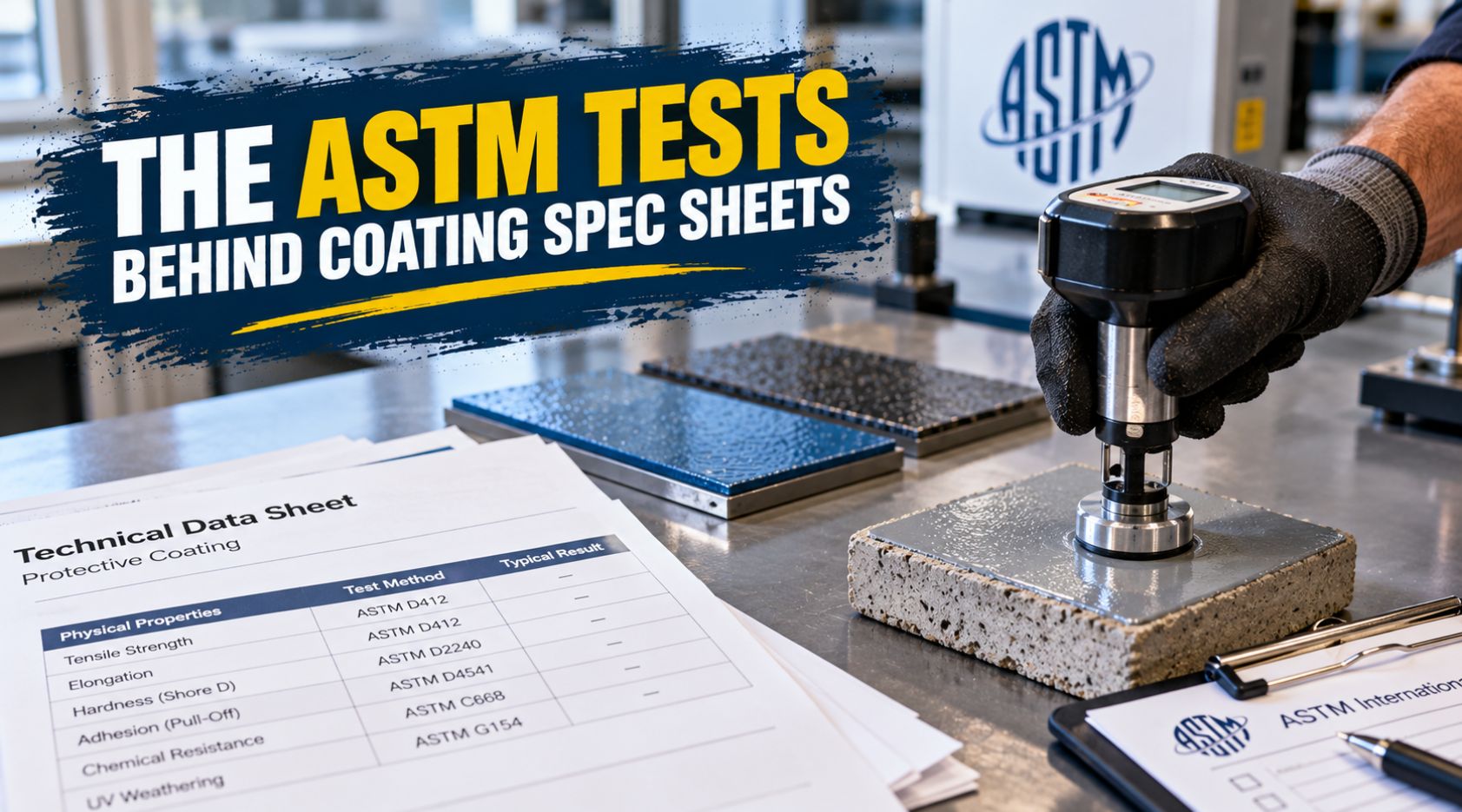
The ASTM Tests Behind Coating Spec Sheets
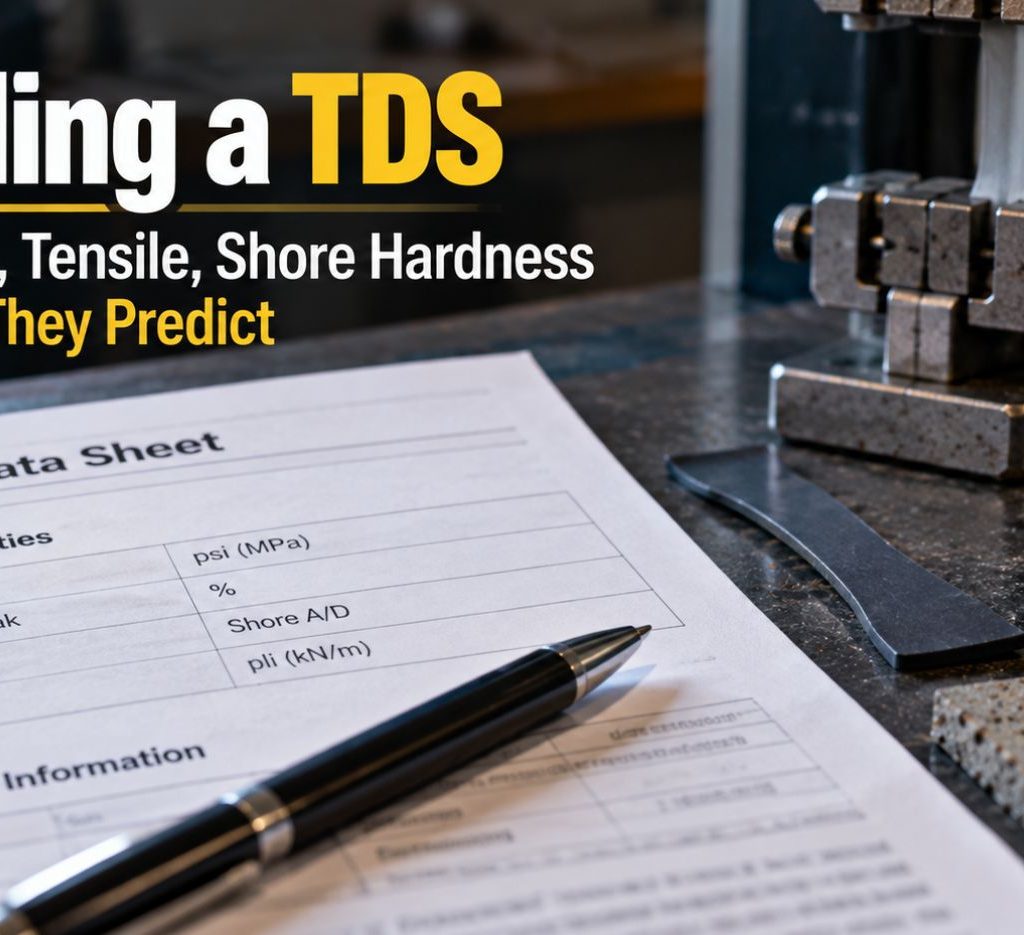
Pull up almost any protective coating’s technical data sheet and you’ll find a column of numbers next to a string of letters and digits, D412, D2240,…
Polyurea · Polyurethane · Protective coatings
PolyOrgs is the professional network for applicators who take the craft seriously — certification, chapters and a technical library built by people who spray for a living.
Who we are
PolyOrgs connects the applicators, chapters and specifiers behind high-performance coatings — and holds the work to a standard clients can trust.
Start here
 Membership
Become a PolyOrgs applicator
Apply, get certified and get listed where commercial clients look first.
Get started
Certification & training
Three levels, seven specialty endorsements.
Chapter meetings
Demos, peer learning and local jobs talk.
Build a mobile spray rig
Spec equipment around the work you want.
Technical library
Chemistry, specs and technique.
Membership
Become a PolyOrgs applicator
Apply, get certified and get listed where commercial clients look first.
Get started
Certification & training
Three levels, seven specialty endorsements.
Chapter meetings
Demos, peer learning and local jobs talk.
Build a mobile spray rig
Spec equipment around the work you want.
Technical library
Chemistry, specs and technique.
 Property owners & specifiers
Find a certified applicator
Tell us about the project and we’ll connect you with qualified members in your region.
Get started
Member directory
Browse certified applicators by region.
Polyurea 101
The questions every new client asks first.
Pure polyurea vs. hybrid
How to tell what you’re actually buying.
Reading a spec sheet
Elongation, tensile and hardness, decoded.
Property owners & specifiers
Find a certified applicator
Tell us about the project and we’ll connect you with qualified members in your region.
Get started
Member directory
Browse certified applicators by region.
Polyurea 101
The questions every new client asks first.
Pure polyurea vs. hybrid
How to tell what you’re actually buying.
Reading a spec sheet
Elongation, tensile and hardness, decoded.
 Industry partners
Industry resources & standards
Standards bodies, regulators and the tools working professionals rely on.
Get started
Newsletter archive
Every monthly issue in one place.
Industry news
Markets, standards and policy.
What’s new at PolyOrgs
Programs, dates and announcements.
Partner with us
Sponsor a chapter or the symposium.
Industry partners
Industry resources & standards
Standards bodies, regulators and the tools working professionals rely on.
Get started
Newsletter archive
Every monthly issue in one place.
Industry news
Markets, standards and policy.
What’s new at PolyOrgs
Programs, dates and announcements.
Partner with us
Sponsor a chapter or the symposium.
The Journal
Pull up almost any protective coating’s technical data sheet and you’ll find a column of numbers next to a string of letters and digits, D412, D2240,…
Certification
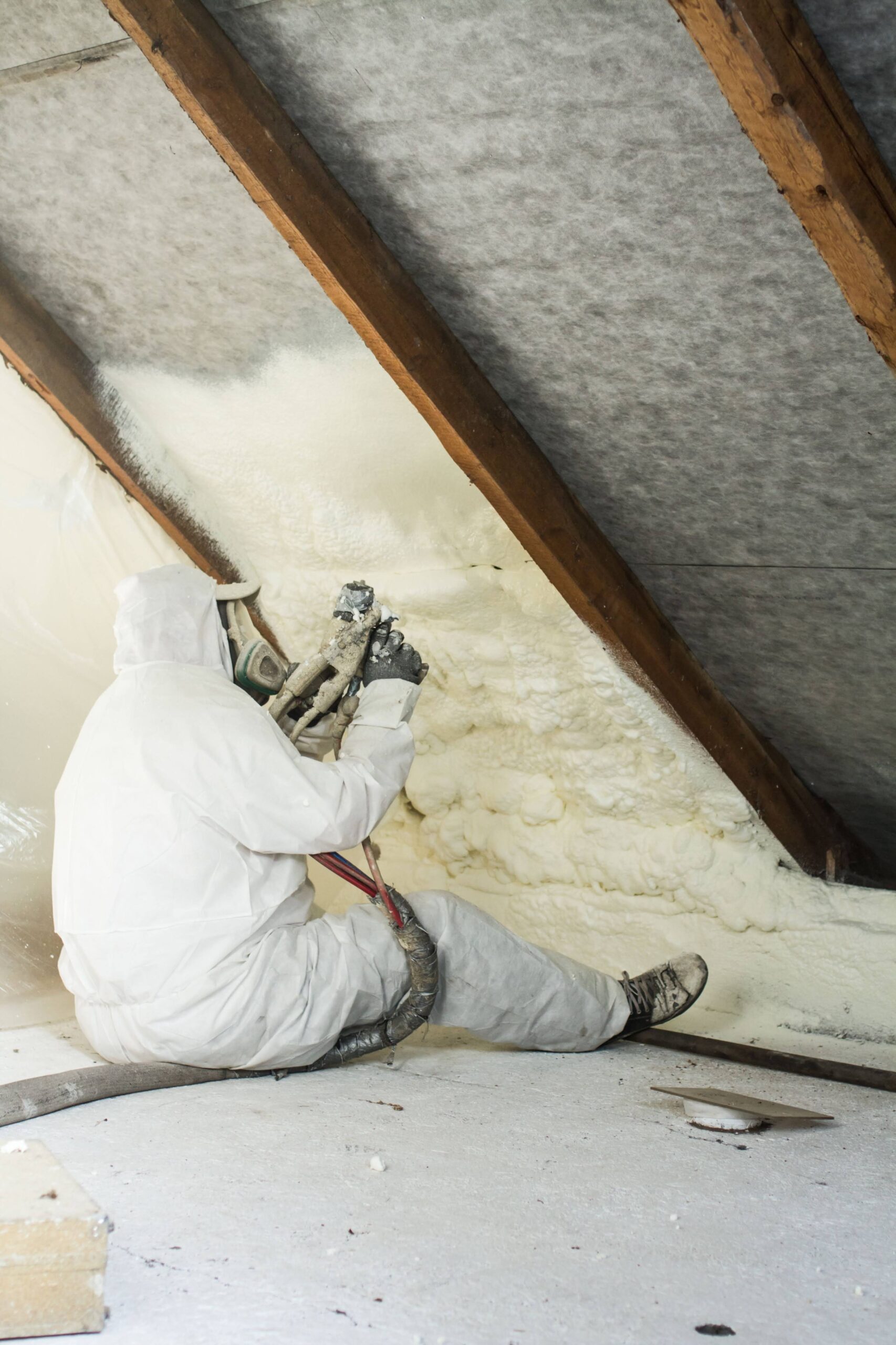
Built by applicators for applicators, PolyOrgs certification is system-agnostic and focused on what happens in the field — chemistry, equipment, surface prep, technique and QC.
The foundational credential: chemistry fundamentals, equipment operation, surface preparation, spray technique, quality control and safety.
For established applicators ready to take on complex commercial and industrial projects, with the option to add specialty endorsements.
The highest individual certification in the program — widely recognized as a mark of exceptional professional standing.
Endorsements for regulated work, increasingly required by commercial clients. Available to Level 2 applicators and above.
Applications
 Chapters & events
Get in the room.
Monthly chapter meetings with live demos, guest speakers and the conversations that turn into referrals.
See upcoming meetings
Chapters & events
Get in the room.
Monthly chapter meetings with live demos, guest speakers and the conversations that turn into referrals.
See upcoming meetings
Member spotlights
Chapter news, certification updates, technical deep dives and the jobs members are winning — no fluff.